


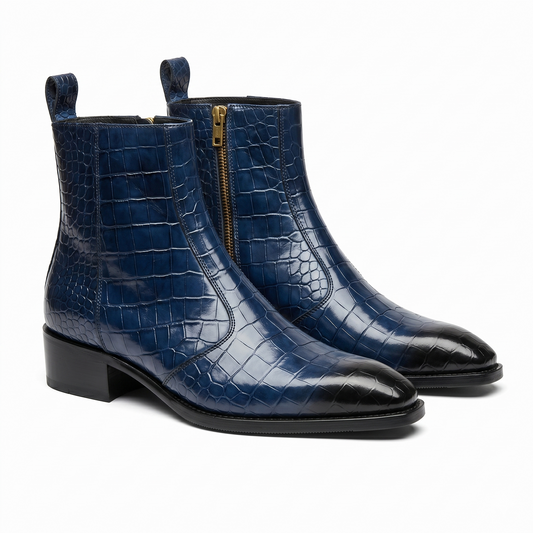


How Should Formal Shoes Fit? Complete Men’s Fit Guide (2026)
How Should Formal Shoes Fit?

Complete Men’s Fit Guide (2026)
Formal shoes should feel secure, balanced, and comfortable from the very first wear — not painfully tight, not loose, and never distracting while walking. Yet incorrect sizing remains one of the biggest reasons men regret buying premium leather footwear.
A properly fitted leather shoe improves:
• comfort
• posture
• walking stability
• leather ageing
• shoe longevity
• overall appearance
This complete guide explains exactly how formal shoes should fit, including:
• ideal toe room
• acceptable heel slip
• width fitting
• Oxford vs Derby differences
• leather stretch behaviour
• break-in expectations
• fitting tips for Indian feet
• online shoe buying advice
Whether you are buying Oxfords, Derbies, Monk Straps, Loafers, or Chelsea boots, understanding proper fit is essential before investing in premium leather footwear.
Quick Answer
Formal shoes should fit snugly without squeezing your feet. Leave approximately a thumb-width (1–1.5 cm) of space in front of your longest toe. Your heel should have only slight movement around 3–5 mm of heel slip is normal in new leather shoes and usually reduces as the leather breaks in.
At LexaItaliano, we emphasize that a proper fit should feel secure from day one, while still allowing natural leather adaptation over time especially in premium full-grain leather footwear designed for long-term comfort and shape retention.
The sides should feel secure without painful pressure, and the widest part of your foot should align naturally with the widest part of the shoe.
Premium full-grain leather gradually moulds to your foot shape over time. A correctly fitted leather shoe becomes more comfortable with wear, while an incorrectly fitted shoe only becomes more uncomfortable.
For the most accurate fit:
• try shoes on in the afternoon or evening
• wear proper dress socks
• walk for several minutes before deciding
Why Proper Fit Matters More in Leather Shoes
Leather formal shoes behave very differently from sneakers or synthetic footwear.
Unlike foam-based athletic shoes, premium leather footwear is structured to:
• soften gradually
• shape itself around your foot
• develop natural flex points
• improve comfort over time
Because of this, the initial fit is extremely important.
If the shoe is:
• slightly firm → leather usually adapts
• too narrow → leather may stretch slightly
• too short → it will remain too short permanently
This is why understanding proper leather shoe fit prevents:
• blisters
• pressure pain
• poor creasing
• premature sole wear
• leather cracking
• long-term discomfort
The Six Dimensions of Formal Shoe Fit
Most men only check shoe length. In reality, proper fit depends on six separate dimensions working together.
|
Fit Dimension |
Correct Fit |
Signs of Poor Fit |
|
Toe Room |
1–1.5 cm in front of longest toe |
Toes touching front |
|
Width |
Snug without side pressure |
Bulging or pinching |
|
Heel |
Slight 3–5 mm movement initially |
Excessive slipping |
|
Instep |
Secure without crushing |
Numbness or tightness |
|
Ball of Foot |
Aligns with widest shoe point |
Pressure under arch |
|
Overall Length |
Stable while walking |
Rocking or instability |
Ignoring even one of these dimensions can make an expensive shoe uncomfortable within hours.
Heel Slip: How Much Is Normal?

Heel slip is the most misunderstood part of formal shoe fitting.
Many men incorrectly believe:
“If my heel moves, the shoe is too big.”
In premium leather shoes, slight heel movement is completely normal during the first few weeks.
New leather footwear is initially firm because:
• the heel counter is stiff
• the leather insole has not compressed
• the upper has not moulded to your foot yet
A heel slip of approximately 3–5 mm is expected in new leather shoes.
As the shoe breaks in:
• the heel counter softens
• the insole compresses
• the upper adapts to your walking motion
The heel gradually becomes more secure naturally.
The Heel Slip Rule
|
Heel Movement |
Meaning |
|
0–5 mm |
Normal in new leather shoes |
|
6–9 mm |
Borderline — try heel grips |
|
10 mm+ |
Shoe is too large |
|
Zero movement with pressure |
Shoe may be too small |
Warning Signs
Your shoes are likely too large if:
• blisters develop on the heel
• the heel lifts excessively while climbing stairs
• your foot slides forward repeatedly
• walking feels unstable
Toe Room: The Most Common Sizing Mistake

The biggest mistake men make with formal shoes is buying pairs that are too short.
A formal shoe should never force your toes against the front of the shoe.
Over time, shoes that are too short cause:
• toe pain
• improper creasing
• nail pressure
• discomfort during long wear
• premature leather damage
Ideal Toe Space
The correct toe allowance is:
• approximately 1–1.5 cm
• measured from your longest toe
Important:
For many men, the second toe is longer than the big toe (Morton’s Toe). Always measure from the longest toe rather than assuming the big toe is longest.
Pointed Toe Shoe Misconception
Many formal shoes feature elongated or pointed silhouettes.
Your toes are NOT meant to reach the very tip.
The pointed section is largely aesthetic and extends beyond the usable toe box.
Trying to “fill the front” usually causes men to buy shoes that are too short.
Width Fit: The Most Overlooked Dimension
Length alone does not determine comfort.
Width fit is equally important — especially in leather formal shoes.
A shoe that is too narrow creates:
• side pressure
• burning sensations
• toe compression
• leather bulging
• long-term discomfort
Signs Your Formal Shoes Are Too Narrow
• Leather bulges outward near the ball of foot
• Your little toe feels compressed
• You feel burning after 20–30 minutes
• The laces pull excessively apart
• Your feet ache quickly during wear
Understanding Shoe Widths
|
Width |
Best For |
|
D Width |
Average feet |
|
E Width |
Slightly wider feet |
|
EE Width |
Wide feet or high insteps |
Men with:
• broader feet
• higher insteps
• wider forefeet
usually find Derby shoes more comfortable than Oxfords because of their open-lacing structure.
Oxford vs Derby: Which Fits Better?

Even in the same size, Oxford and Derby shoes fit differently because of their construction.
|
Fit Factor |
Oxford Shoes |
Derby Shoes |
|
Lacing System |
Closed |
Open |
|
Instep Flexibility |
Lower |
Higher |
|
Fit Feel |
Snugger |
More forgiving |
|
Best For |
Slim/average feet |
Wider feet |
|
Break-In Feel |
Firmer initially |
Easier immediately |
|
Adjustability |
Limited |
Higher |
Oxford Fit Characteristics
Oxford shoes:
• fit closer around the instep
• provide a sharper silhouette
• offer less flexibility
• feel more structured initially
Best for:
• formal business wear
• slim to average feet
• sharper tailored looks
Derby Fit Characteristics
Derby shoes:
• open wider during lacing
• accommodate higher insteps better
• provide more width flexibility
• feel more comfortable immediately
Best for:
• wider feet
• daily office wear
• long-hour comfort
How Leather Changes With Wear
One reason premium leather footwear feels special is because it evolves with use.
During the first month, leather shoes gradually adapt to your foot.
What Leather WILL Do
1. Heel Counter Softening
The heel structure becomes more flexible and reduces heel slip.
2. Insole Compression
The leather insole forms naturally to your foot shape.
3. Width Expansion
Leather stretches slightly across pressure areas.
4. Upper Softening
The shoe becomes more flexible and natural while walking.
What Leather Will NOT Do
Leather does NOT significantly stretch in length.
If your toes feel cramped initially:
• the shoe is too short
• the problem will remain permanently
Never buy formal shoes expecting length to increase over time.
The Leather Shoe Break-In Timeline

Week 1
• Upper feels firm
• Mild heel slip possible
• Wear for shorter periods
Week 2
• Leather softens noticeably
• Heel movement reduces
• Comfort improves
Week 3
• Pressure points reduce
• Insole begins shaping to your foot
Week 4+
• Shoe feels personalised
• Heel stabilises
• Comfort improves dramatically
A properly fitted leather shoe should eventually feel almost custom-made.
How to Break In Leather Shoes Safely
Recommended Methods
Wear slightly thicker socks initially
• Use cedar shoe trees
• Apply quality leather conditioner
• Rotate shoes between wears
• Use shoe stretchers only for width adjustment
Avoid These Mistakes
• Never use hair dryers
• Never use direct sunlight
• Never use water soaking
• Never use aggressive force stretching
Heat damages leather fibres and shortens shoe lifespan.
When Should You Try Formal Shoes On?
Your feet naturally expand during the day.
Morning fittings often lead to shoes that feel tight later.
For the most accurate fit:
• try shoes on after lunch or evening
• wear proper dress socks
• walk before deciding
• test both feet individually
This matters because most people have one foot slightly larger than the other.
Always fit shoes to the larger foot.
How to Check Formal Shoe Fit Before Buying

1. Walk Properly
Take at least 20–30 steps.
2. Check Toe Space
Ensure approximately 1–1.5 cm in front of your longest toe.
3. Assess Heel Movement
Slight heel slip is acceptable. Excessive movement is not.
4. Observe Creasing
The shoe should crease naturally near the ball of the foot.
If it creases:
-
near the arch → shoe is too long
-
near the toe cap → shoe may be too short
5. Evaluate Pressure Points
No numbness, sharp pinching, or burning should occur.
6. Check Lacing Position
For Oxfords:
-
the lacing gap should remain small
For Derbies:
-
a visible opening is normal
Common Fit Problems and Their Causes
|
Problem |
Likely Cause |
|
Toes touching front |
Shoe too short |
|
Excessive heel slip |
Shoe too large |
|
Side bulging |
Shoe too narrow |
|
Burning sensation |
Width issue |
|
Arch creasing |
Shoe too long |
|
Tight instep pressure |
Low-volume shoe |
|
Toe numbness |
Narrow toe box |
|
Foot sliding forward |
Improper heel fit |
Fit Differences for Indian Feet

Many premium shoe brands design lasts around European foot proportions.
European feet are often:
• narrower
• lower in instep
• slimmer through the forefoot
Indian feet frequently have:
• broader forefeet
• wider ball areas
• higher insteps
This is why many imported formal shoes feel uncomfortable despite selecting the correct size.
At LexaItaliano, our handcrafted footwear is designed with Indian fit preferences in mind while maintaining elegant Italian-inspired proportions.
We also offer customised sizing support for:
• wider feet
• high insteps
• toe-box preferences
• half-size adjustments
Online Buying Tips for Formal Shoes
Buying leather shoes online becomes easier when you understand fit properly. Always measure your feet in the evening and match them with the LexaItaliano Size Chart before ordering.
👉 LexaItaliano Size Chart: https://lexaitaliano.com/pages/sizing-chart
If you are between sizes, choose the larger size for better comfort, as leather shoes should never feel tight at the start.
Before Ordering
• measure both feet in the evening
• compare measurements with brand size charts
• read width recommendations carefully
• understand the shoe construction
If Between Sizes
• choose the larger size for Oxfords
• prioritise width comfort over tightness
• use insoles if slightly roomy
Avoid This Mistake
Never size down aggressively expecting leather to “stretch perfectly.”
Leather adapts slightly — but discomfort from incorrect sizing usually remains.
Frequently Asked Questions
How should formal shoes fit?
Formal shoes should fit snugly without pain. Leave 1–1.5 cm of space in front of your longest toe, allow only slight heel slip in new leather shoes, and ensure there is no painful side pressure.
Should dress shoes feel tight when new?
Premium leather shoes should feel firm initially, but never painfully tight. Slight stiffness is normal during break-in.
How much heel slip is normal?
Approximately 3–5 mm of heel slip is normal in new leather dress shoes and usually disappears within several weeks.
Will leather shoes stretch over time?
Leather stretches slightly across width and pressure areas, but not significantly in length.
Are Oxford shoes tighter than Derby shoes?
Yes. Oxford shoes generally fit more snugly because of their closed-lacing system, while Derby shoes allow greater flexibility and width adjustment. Explore our full formal collection →
What are the signs of poor shoe fit?
Common signs include:
• toe pressure
• excessive heel slip
• side bulging
• burning sensation
• improper creasing
• numbness
Should toes touch the front of formal shoes?
No. Your toes should never press against the front of the shoe while standing or walking.
Do leather shoes become more comfortable over time?
Yes. Premium leather gradually softens, compresses, and moulds to your foot shape, improving comfort significantly.
Final Thoughts
A properly fitted pair of formal shoes should feel secure, balanced, and increasingly comfortable with wear.
The right fit improves:
• comfort
• posture
• leather ageing
• shoe longevity
• overall appearance
Premium leather footwear is designed to adapt gradually to your foot — but only when the initial fit is correct.
Understanding:
• heel slip
• toe room
• width fitting
• leather stretch
• break-in behaviour
• Oxford vs Derby differences
helps you avoid the most common mistakes men make when buying formal shoes.
The result is a pair that not only looks elegant, but feels better year after year.
Explore Premium Handcrafted Formal Shoes
Discover handcrafted:
• Oxford shoes
• Derby shoes
• Monk Straps
• Chelsea boots
• Loafers
designed for comfort, elegance, and long-term wear at:
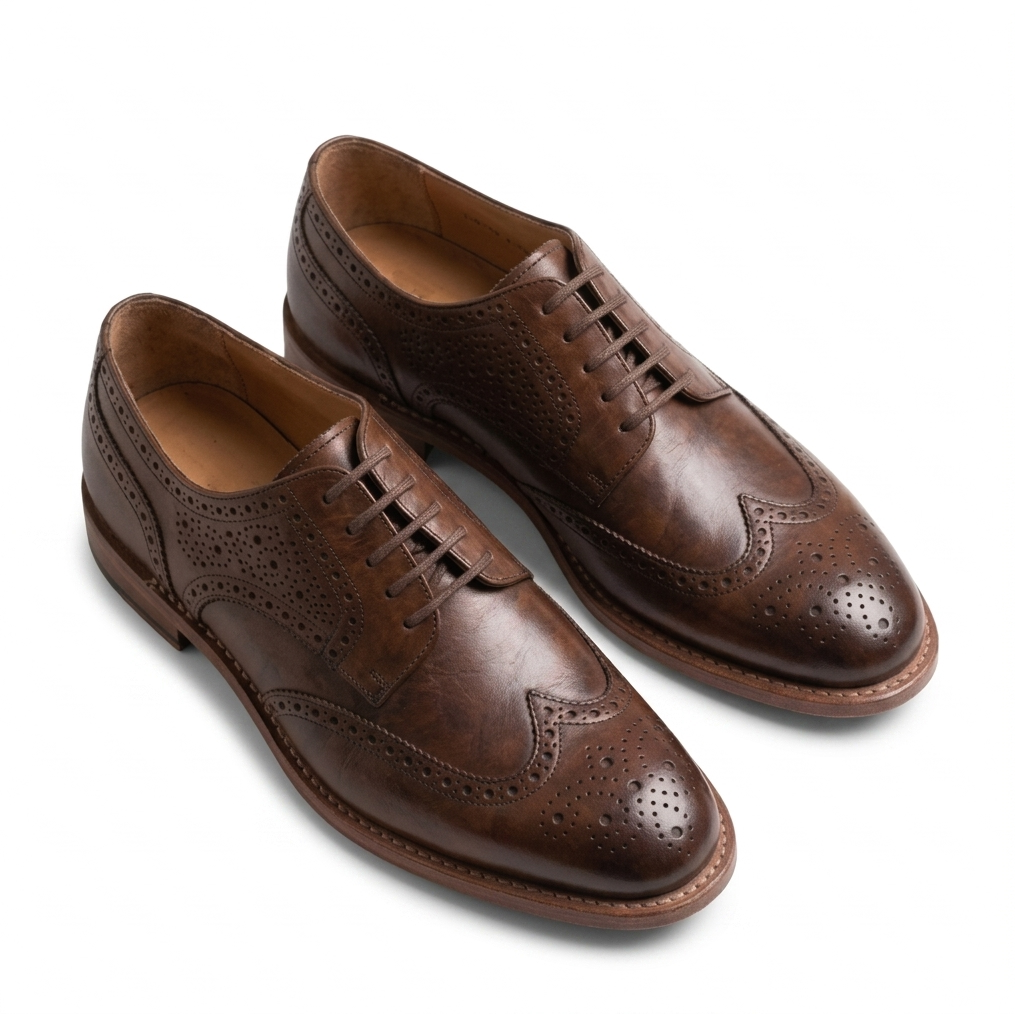


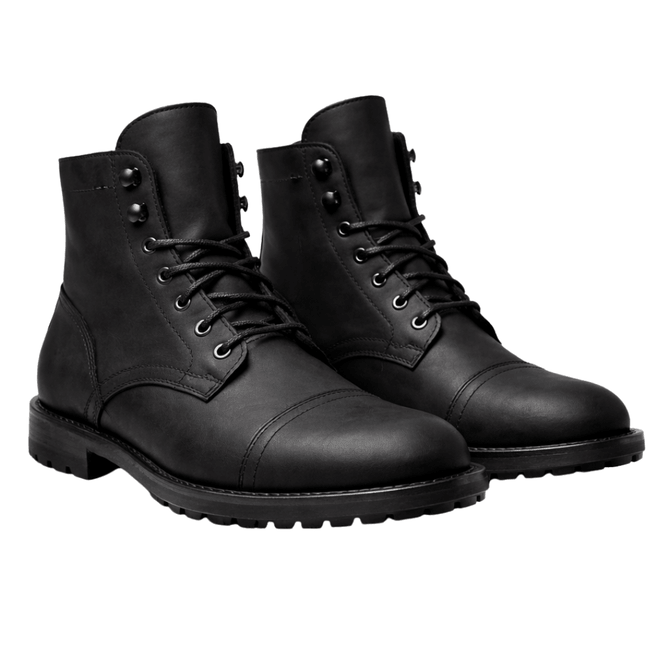
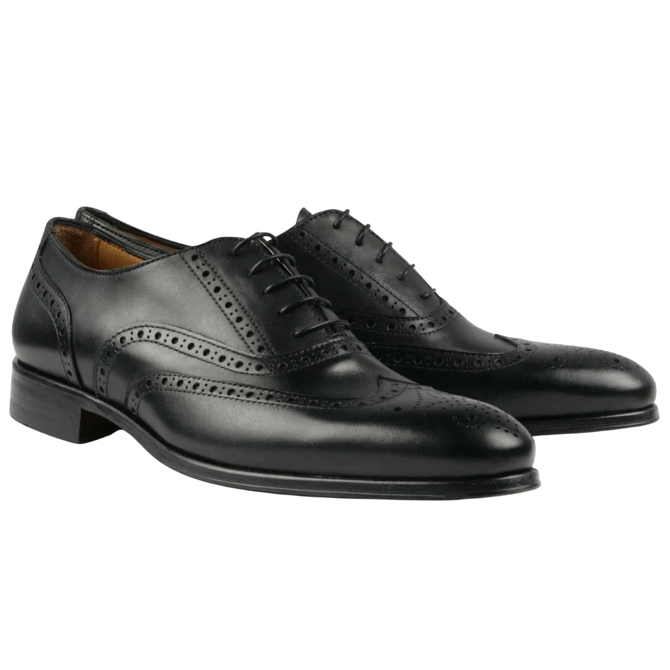


GET SPRING SUMMER LOOKBOOK
Block Quote
Lexaitaliano
Every pair of shoes from LexaItaliano is a masterpiece, crafted with passion and precision. Discover the perfect blend of Italian luxury, impeccable design, and lasting comfort, elevating your style with each step.
At LexaItaliano, we believe that great shoes do more than just complete an outfit—they tell a story. Our collection combines heritage craftsmanship with modern sophistication, offering you shoes that define your style and stand the test of time.
From classic Oxfords to stylish loafers, LexaItaliano offers a curated selection of shoes that combine unparalleled craftsmanship and refined design. Experience the perfect fit, style, and luxury that only Italian-made shoes can provide.


