


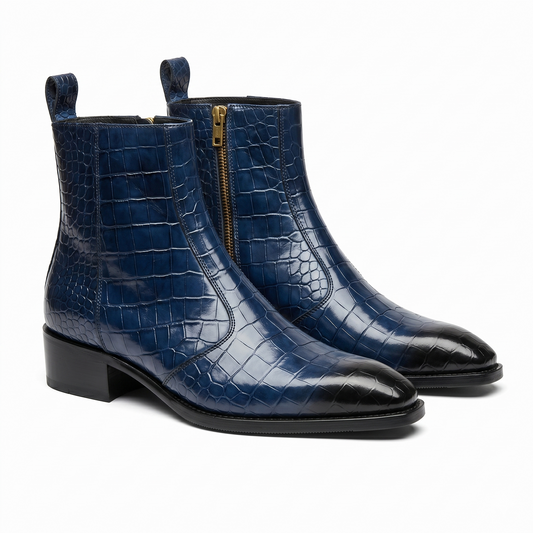


How to Stop Dress Shoes from Hurting Your Heel: 5 Expert Fixes for Men
Introduction
You've just slipped on a sharp pair of dress shoes for an important meeting, a wedding, or a long day at the office. Within the first hour, your heel is burning. By the afternoon, you've got a blister. Sound familiar?

You're not alone. Heel pain from formal shoes is one of the most common complaints among men who wear leather shoes regularly. Whether it's a new pair that's stiff, an old pair that's misshapen, or a shoe that simply doesn't fit your foot correctly the result is the same: pain, blisters, and frustration.
The good news? You don't need to throw out your shoes or suffer through the pain. In this guide, we're going to walk you through 5 expert-tested fixes that actually work so you can wear your formal shoes all day without your heels paying the price.
|
Dress shoes hurt your heel because of stiff leather, poor fit, or lack of cushioning. The fastest fixes are heel grips, shoe stretching, and breaking in your shoes properly. |
What You'll Learn in This Guide
• Why dress shoes hurt your heel (root causes)
• Fix #1 — Use heel grips or heel liners
• Fix #2 — Break in your shoes the right way
• Fix #3 — Get your shoes professionally stretched
• Fix #4 — Choose the right socks
• Fix #5 — Reconsider your shoe fit and style
• Pro tips to prevent heel pain long-term
• When to visit a cobbler vs. buy new shoes
Why Do Dress Shoes Hurt Your Heel? (Understanding the Root Cause)

Before jumping to fixes, it's important to understand why this happens. Heel pain from leather shoes usually has one or more of these causes:
1. Stiff New Leather
Brand-new leather shoes are rigid. The back of the shoe (called the heel counter) is often reinforced with a hard material designed to hold the shoe's shape. Until the leather softens and molds to your foot, it will rub against your heel — causing friction, redness, and blisters.
2. Wrong Shoe Size or Fit
Even a half-size too large can cause heel slippage, which creates repetitive rubbing. A shoe that's too narrow can squeeze the back of your foot. Most men never get their feet properly measured and this single issue causes more shoe discomfort than anything else.
3. No Cushioning or Padding
Many formal shoes are built for aesthetics over comfort. The insole is often thin and hard, offering zero cushioning for your heel. When you're walking on hard surfaces like marble floors or pavements, every step sends shock directly to your heel bone.
4. Heel Slippage
If your heel lifts out of the shoe with every step, the edge of the shoe counter rubs repeatedly against the same spot guaranteed blister territory.
5. Low-Quality Construction
Cheaper dress shoes often use synthetic materials that don't breathe or flex. The stiffness doesn't improve with wear it stays rigid. Investing in genuine leather dress shoes from LexaItaliano makes a real difference because quality leather adapts to your foot over time.
5 Expert Fixes to Stop Dress Shoes from Hurting Your Heel
Fix #1: Use Heel Grips or Heel Liners (Fastest Fix)

Best for: Heel slippage, rubbing, and blisters from new shoes
Heel grips are small adhesive pads made from leather, gel, or foam that you stick to the inside back of your shoe. They serve two purposes:
• Reduce friction: The soft material creates a barrier between your skin and the hard leather counter
• Improve fit: By filling the small gap, they prevent heel slippage
How to Apply Heel Grips
1. Clean the inside back of your shoe with a dry cloth
2. Peel the adhesive backing off the heel grip
3. Press it firmly against the heel counter, centered at the back
4. Let it set for 30 minutes before wearing
Pro Tip: Use leather heel grips rather than foam ones. They last longer and feel more natural inside formal shoes.
|
💡 Heel grips cost very little and can instantly save an expensive pair of shoes from causing pain. This is the fastest fix available. |
Fix #2: Break In Your Shoes the Right Way
Best for: New dress shoes that are stiff and rigid
The biggest mistake men make with new dress shoes is wearing them for a full day right away. New leather needs to be gradually broken in — forced wearing leads to severe blisters.
The 7-Day Break-In Method
• Day 1–2: Wear at home for 1–2 hours only. Walk around indoors.
• Day 3–4: Increase to 3–4 hours. Short outdoor errands.
• Day 5–6: Wear for half a day. Monitor any pressure points.
• Day 7+: Full day wear. The leather should now flex naturally.
Speed Up the Break-In Process
• Shoe trees: Insert cedar shoe trees overnight to stretch the leather gently and maintain shape.
• Leather conditioner: Apply a quality leather conditioner to the heel area. Soft leather breaks in much faster.
• Thick socks method: Put on thick socks, wear the shoes, and use a hairdryer on medium heat over the heel area for 30 seconds. The warmth softens the leather and the thick socks stretch it slightly as it cools.
|
Never soak leather shoes in water to break them in. This damages the leather, weakens the glue, and destroys the shoe's structure. |
Fix #3: Stretch the Heel Area Professionally
Best for: Shoes that are too tight at the heel or have a very stiff counter
If the shoe is simply too tight at the back, no amount of wearing will fix it without stretching. Here's what works:
Option A: Professional Cobbler Stretching
A cobbler uses a shoe stretcher tool to widen the shoe at specific points. This is the safest method for quality leather shoes. Cost is typically very affordable and takes 24–48 hours.
Option B: DIY Shoe Stretcher
You can buy a two-way shoe stretcher online. Insert it into the shoe, turn the handle to apply gentle pressure, and leave overnight. Repeat for 2–3 nights.
Option C: Stretching Spray
Shoe stretch spray softens the leather temporarily, allowing it to expand. Spray on the inside of the heel, insert the shoe stretcher, and let dry. Works best on genuine leather.
If your shoes are high-quality leather — like the hand-crafted formal shoes at LexaItaliano they will respond beautifully to stretching because genuine leather is naturally flexible and durable.
Fix #4: Choose the Right Socks
Best for: Reducing friction and adding cushioning without bulk
Your socks play a much bigger role in heel comfort than most men realise. The wrong socks make everything worse.
What to Look For in Socks for Formal Shoes

• Heel cushioning: Look for socks with a padded heel zone. The cushioning absorbs impact and reduces friction.
• Seamless toe and heel: Seams create pressure points. Seamless socks eliminate this.
• Moisture-wicking fabric: Sweat increases friction. Merino wool and bamboo socks keep feet dry.
• Correct thickness: For dress shoes, use medium-weight dress socks not too thin (no protection) and not too thick (shoe becomes too tight).
Socks to Avoid
• Thin nylon dress socks with no cushioning
• Cotton-only socks that trap moisture
• Ankle socks that expose the heel to direct shoe contact
|
Quick Tip: Merino wool dress socks are the best investment for formal shoe wearers. They regulate temperature, wick moisture, and naturally resist odour. |
Fix #5: Reconsider Your Shoe Fit and Style

Best for: Men who have persistent heel pain across multiple pairs
Sometimes the problem isn't the shoe it's the fit. Many men wear the wrong shoe size without knowing it. Here's how to get it right:
Get Your Feet Properly Measured
• Feet change size as you age — measure annually
• Measure both feet. Most people have one foot slightly larger — fit to the bigger foot
• Measure in the afternoon. Feet swell throughout the day
• Measure standing up, not sitting
Understand Your Foot Type
Different foot shapes need different shoe lasts (the mould the shoe is built around):
• Narrow heel, wide toe box: Look for shoes with a slim heel counter and wider forefoot
• High arch: You may need extra arch support insoles in flat dress shoes
• Low arch (flat feet): Avoid shoes with aggressive arch support it can throw off your gait and cause heel pain
The Best Shoe Styles for Heel Comfort
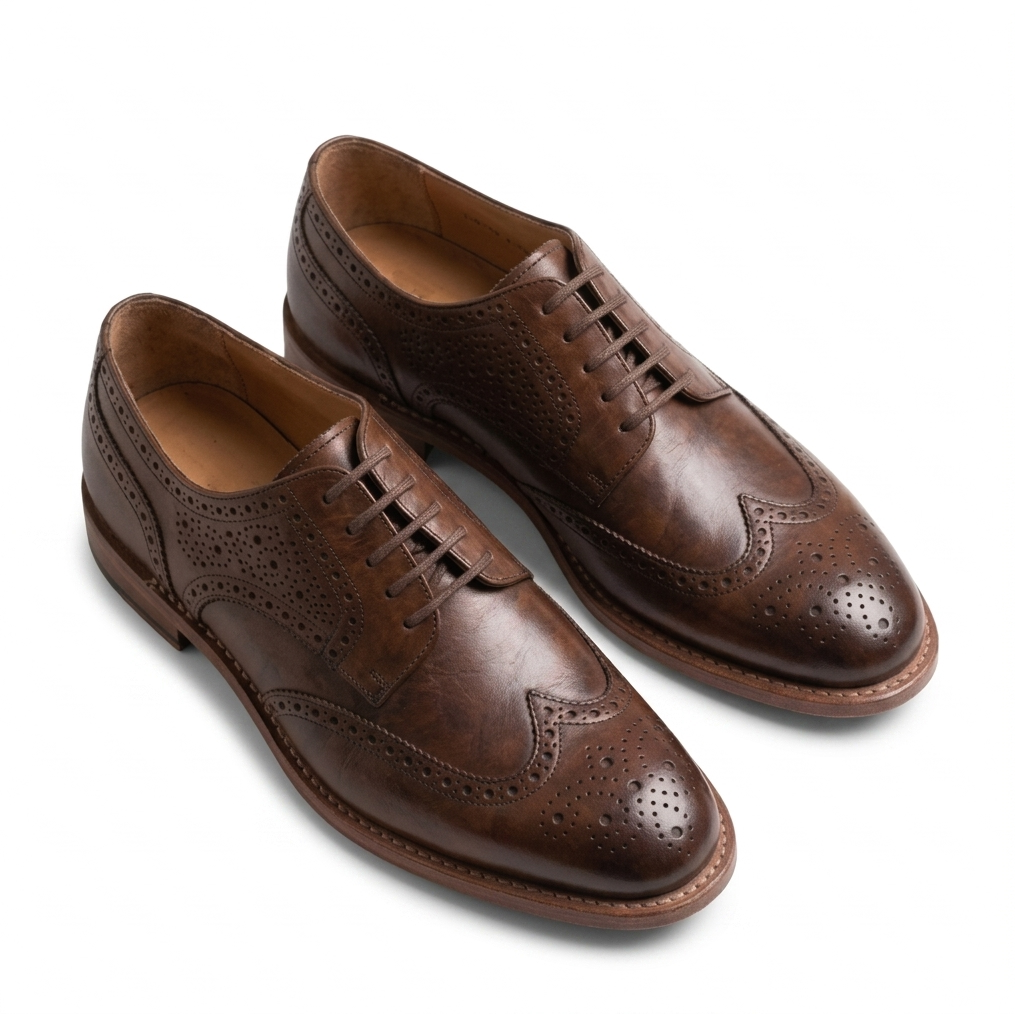
Certain formal shoe styles are inherently more heel-friendly. Loafers from LexaItaliano — particularly slip-on styles — tend to have lower, more flexible heel counters that cause less rubbing than rigid Oxford heel constructions. Similarly, Derby shoes with open lacing systems allow more adjustment at the instep, reducing the pressure that causes heel slippage.
Pro Tips: Prevent Heel Pain Before It Starts
Prevention is always better than cure. Here's what professional shoe wearers and cobblers recommend:
• Rotate your shoes: Don't wear the same pair two days in a row. Let the leather rest and recover its shape.
• Use cedar shoe trees every time: They absorb moisture, maintain shape, and prevent the heel counter from collapsing inward.
• Condition leather monthly: Supple leather causes far less friction than dry, cracked leather.
• Walk correctly: Heel-to-toe walking distributes pressure evenly. Shuffling or dragging causes concentrated friction at the heel.
• Break in new shoes on short days: Never debut a new pair of dress shoes on your most important day.
When to Visit a Cobbler vs. Buy New Shoes
Here's a simple decision guide:
|
Visit a Cobbler When... |
Buy New Shoes When... |
|
The shoes are quality leather worth saving |
The shoes are synthetic/cheap material |
|
The heel counter is stiff but the fit is right |
Multiple sizes still cause heel pain |
|
You need stretching or padding |
The shoe's construction has broken down |
|
The sole is worn but upper is good |
You've had persistent issues over 3+ months |
FAQs: Men's Dress Shoes and Heel Pain
Q: How long does it take to break in leather dress shoes?
Most quality leather dress shoes take 1–2 weeks of gradual wear to fully break in. Low-quality leather may never fully soften. Premium shoes like calfskin or full-grain leather break in faster and more comfortably.
Q: Do heel grips work for all types of dress shoes?
Yes — heel grips work for Oxfords, Derbies, loafers, brogues, and monk straps. They're universal in size and can be trimmed to fit any shoe profile.
Q: Is it normal for new dress shoes to hurt?
Some initial discomfort from new leather shoes is normal and expected. However, sharp pain, immediate blisters, or intense pressure at the heel from day one usually means the shoe doesn't fit properly — not just that it needs breaking in.
Q: Can I wear dress shoes without socks to avoid heel pain?
Wearing dress shoes without socks actually increases the risk of blisters. Without the protective layer of a sock, the leather directly contacts your skin with every step. If you prefer a sockless look, use no-show liner socks instead.
Q: Which formal shoe style causes the least heel pain?
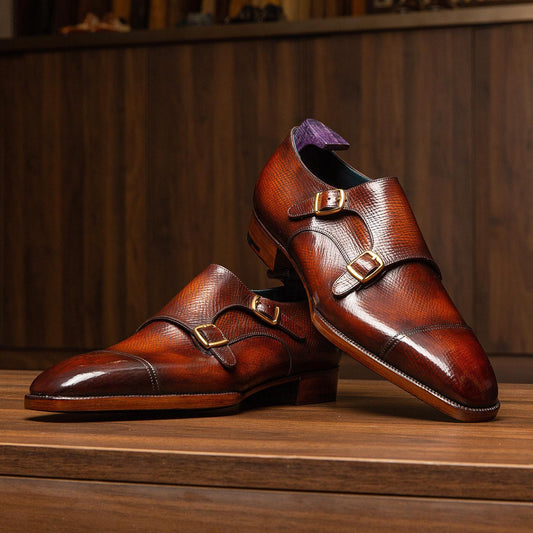
Loafers and monk strap shoes generally cause the least heel pain because they have more flexible heel counters and a more forgiving fit. Explore LexaItaliano's loafer collection for premium options designed with both style and comfort in mind.
Conclusion: Your Heels Deserve Better
Heel pain from dress shoes is common but it's entirely fixable. The five expert fixes in this guide cover every scenario, from a quick adhesive fix with heel grips to a more thoughtful approach of rethinking your shoe fit entirely.
The most important thing to remember is this:
|
Great shoes shouldn't hurt. If your formal shoes are consistently causing pain, the problem is either the fit, the break-in process, or the shoe quality. All three are solvable. |
Invest in quality leather that molds to your foot. Take the time to break in new shoes properly. Use the right socks. And when in doubt — get your feet properly measured. Explore LexaItaliano's full range of premium men's formal shoes crafted for style, built for all-day comfort.




GET SPRING SUMMER LOOKBOOK
Block Quote
Lexaitaliano
Every pair of shoes from LexaItaliano is a masterpiece, crafted with passion and precision. Discover the perfect blend of Italian luxury, impeccable design, and lasting comfort, elevating your style with each step.
At LexaItaliano, we believe that great shoes do more than just complete an outfit—they tell a story. Our collection combines heritage craftsmanship with modern sophistication, offering you shoes that define your style and stand the test of time.
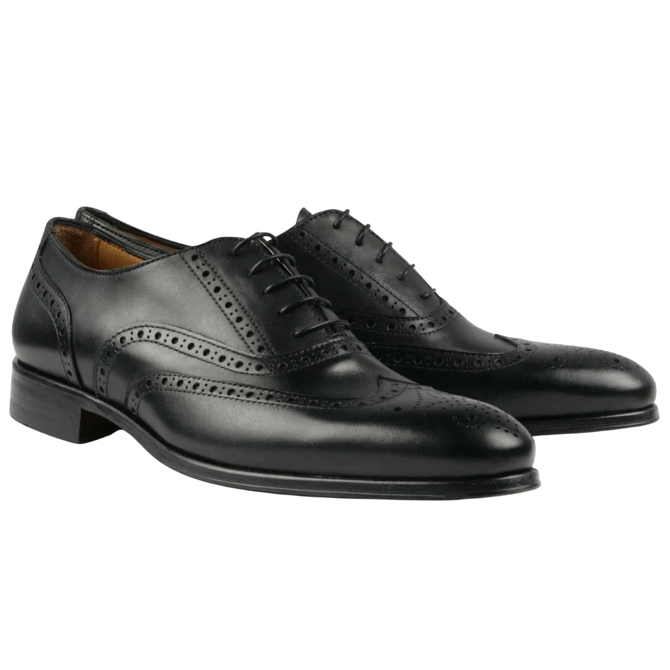
From classic Oxfords to stylish loafers, LexaItaliano offers a curated selection of shoes that combine unparalleled craftsmanship and refined design. Experience the perfect fit, style, and luxury that only Italian-made shoes can provide.


